

LPG Facts for Kids (A Fun & Simple Guide for Students)
1. Introduction: Meet LPG, The Super-Handy Gas!
What is LPG? A Fun Guide for Curious Kids!
Every day, we use energy in cooking food, keeping ourselves warm, and even playing games on our devices.
But did you know that there is a special kind of energy that comes in the shape of a bottle?
It is called LPG, which stands for Liquefied Petroleum Gas [1].
Think of LPG as like energy that is stored in a backpack.
You can carry it almost anywhere!
LPG is stored in strong bottles or cylinders and can be used for a lot of things, like cooking, heating, or even powering cars.
How cool is that!
For Teachers and Parents: The Key Facts at a Glance
Here are quick and interesting facts to know about LPG:
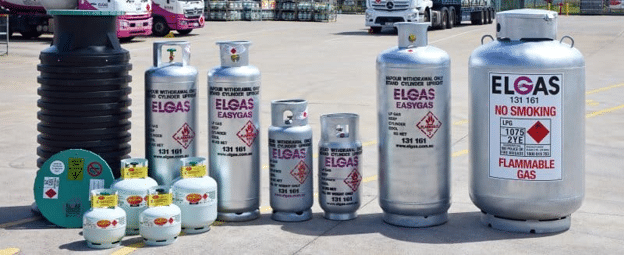
- What it is: LPG stands for Liquefied Petroleum Gas, mainly composed of Propane and Butane. Both are clean, safe, and friendly to the environment, producing less pollution than oil, gasoline, or diesel [2][3].
- How is it stored: It is kept as a liquid under pressure in a steel bottle, turning back into a gas when released, which happens when attached to an appliance and you rotate the valve in the right direction [4].
- Key Uses: LPG is used in a lot of things in our daily lives. It’s used in heating, cooking, heating water, powering cars, and even flying hot air balloons! [5]
- Key Benefit: Among all known energy sources, LPG is the most portable, making it an ideal energy source for places that do not have access to natural gas pipelines [1][4].
- Safety: LPG has a special odorant added to its mix, so you know when it is leaking. To tell if your LPG bottle is leaking, you can smell a foul odour like rotten eggs [4]
What Does LPG Stand For? Let’s Break it Down!
At this point, you already know what LPG stands for. It’s Liquefied Petroleum Gas, and each word tells us something important.
Liquefied: From Liquid to Gas!
Think of water and steam.
Whenever we store LPG, it is kept as a liquid under pressure [4], because it takes up much less space.
But as soon as you attach it to an appliance like a stove or a heater, and turn it on, it becomes a gas, just like steam powering an old train!
Petroleum: Where Does It Come From?
LPG is found underground together with natural gas and oil.
These fuel sources were produced from tiny plants and animals that lived millions of years ago.
Over time, they turned into what we call fossil fuels.
In Australia, a lot of our LPG comes from natural gas processing and oil refining [5].
Gas: Ready to Use!
The gas form is what we burn to do all sorts of day-to-day activities, like cooking dinner, heating water, or keeping ourselves warm on chilly nights. It is energy you can use straight away!

LPG in Action! Awesome Things It Can Do
LPG is not just handy, it is everywhere in Australian life!
Here are some of the coolest ways we use it:
The Great Aussie BBQ
That gas bottle that you often see connected to the family LPG BBQ?
You got that right, that is LPG!
It helps us cook sausages, burgers, and veggies in backyards all over Australia.
A Warm and Cosy Home
When winter season comes, we all get chilly inside our homes, and many of our homes use an indoor gas heater, powered by LPG.
It is a reliable way to stay warm, especially in places that do not have access to natural gas pipelines.
A Hot Shower
Did you know that LPG powers your hot showers?
Now you do!
You can easily enjoy steamy showers and warm baths any time of the year because of LPG.
Going for a Ride (Autogas)
Some cars, taxis, and even fleet vehicles run on a special type of LPG, called Autogas.
It is a cheaper choice than petrol and produces fewer emissions, which is good for the environment [5][6].
Up, Up and Away! (Hot Air Balloons)
Have you ever thought about what makes a hot air balloon float?
The giant flame heating the air inside the balloon is powered by none other than LPG!
A perfect mix of fun and science.
Camping and Adventures
Portable LPG bottles power camping stoves and lanterns, making it easy to cook meals or light up your surroundings at night while you explore the great outdoors.

Did You Know…? Fun LPG Facts!
LPG is full of surprises!
Here are some cool things to share to wow your class:
- No Smell? LPG is naturally colourless and odourless. The “gassy smell” is actually added to the mixture of LPG so people can quickly know if their bottle has any leaks. You definitely would smell something like rotten eggs.
- Liquid to Gas Magic! Just 1 litre of liquid LPG expands into around 270 litres of gas when the pressure is released, showing how much energy is stored in such a small bottle [2].
- Heavier than Air. If an LPG leaks, it sinks to the bottom, collecting near the ground, unlike natural gases that rise. That is why it is important to properly store and use LPG safely [4].
- Cleaner Cooking. In many countries, LPG has replaced wood or charcoal as a cooking medium, reducing indoor smoke and making the air cleaner to breathe [5].
- Warehouse Workhorses. Are you familiar with those forklift trucks buzzing around warehouses? Those run on LPG too! Making LPG forklifts run efficiently and produce lower emissions indoors [4].
LPG is not just practical, but it is also a fascinating fuel source that maintains our homes, adventures, and even workplaces to run smoothly.
How to be a Gas Safety Superstar!
Staying safe around LPG is super important.
Here are the golden rules that every kid should follow to remain safe around LPG.
Trust Your Nose!
If you ever smell anything fishy, like a rotten egg smell, that is not normal!
It is added to LPG on purpose so people, even kids, can quickly notice if gas is leaking, but remember the first thing you should always do is tell an adult straight away.
What to do if you smell gas:
- Tell a grown-up immediately what you are able to smell gas.
- Do not touch any switches; no lights on or off, as these can be dangerous.
- The grown-up will be the one to turn the gas off at the bottle.
- The grown-up will open doors and windows to allow fresh air to enter the room.
Gas Bottles are for Grown-Ups
Gas bottles are super heavy and need extra care.
Leave it to the adults to move, connect, or replace them.
With these simple rules, you will be a Gas Safety Superstar who is smart, safe, and ready to enjoy all the good things LPG can do!

Now You’re an LPG Expert!
Great work!
You have learned what LPG is, how we use it, and how to stay safe around it.
You are not just an LPG Safety Superstar, but also an LPG Expert!
References
[1] National Measurement Institute – AQA 24-35 Liquefied Petroleum Gas
[2] Australian Competition and Consumer Commission – Review of the Appropriateness of the Current LPG International Benchmark in the Setting of Domestic LPG Prices
[3] Standards Australia – AS 4670:2018 – Commercial Propane and Commercial Butane for Heating Purposes.
[4] Energy Safe Victoria – Gas and LPG Safety Outdoors
[5] Gas Energy Australia – The Australian LPG Industry: Our Value
[6] GoAuto – Market Insight: The Rise and Fall of LPG
[7] FreePik for photos

Eric Hahn has over a decade of experience in the LPG industry and has become a key figure in shaping how LPG is marketed and communicated. As the creator of one of the world’s first LPG blogs, Eric has authored over 200 technical posts, helping educate and inform the industry and consumers.
Eric has served on multiple committees for Gas Energy Australia and the World LPG Association (WLPGA), contributing to important discussions and advancements within the global LPG sector. He has presented at WLPGA Annual Conferences, sharing his expertise as a speaker, panellist, and panel chair.
- Food: The Future of Food Starts Here: Paddock to Plate - February 25, 2026
- Bushfires & Gas Bottles: Safety Tips - January 9, 2026
- Sydney Gas Ban Explained: What It Means for New & Existing Homes - December 16, 2025
Steve Reynolds
Technical Consultant
Steve Reynolds is a leading expert in the LPG industry with over 22 years of experience. As part of the national management team at ELGAS, Steve ensures the safe and efficient storage, handling, and transportation of LPG. He serves as the lead investigator for incidents and collaborates with authorities on industry developments.
Steve is a technical advisor to Standards Australia and Gas Energy Australia (GEA), and an active member of the World LPG Association (WLPGA), contributing to global standards and technical reviews. He holds a BSc. (Hons) in Industrial Chemistry from UNSW and has held senior safety and technical roles at ELGAS, making him a trusted authority in LPG safety and standards.