
Gas Leak – Gas Leak Detector Sensor for Leaky Gas:
How to Find a Gas Leak in Home – How to Check for Gas Leak
There are 11 ways how to find a gas leak (leaky gas) in home, based on the gas leak symptoms (gas smell in house).
When you need to know how to check for gas leak (leaky gas), remember safety comes first with household gas leak detection (gas smell in house).
First, turn off the gas at the gas bottle or meter.
 Open windows and doors, if safe to do so, and then evacuate the building.
Do not use your phone, light switches or any electrical devices and no open flame when there is a leaky gas (a gas leak in home).
Immediately leave the area and call emergency services (000) from a safe location.
Do not further inspect the gas leak (gas smell in house), as LPG is highly flammable and combustible and may lead to a gas leak explosion or fire hazard.
Primary Detection Methods
Odor:
LPG and natural gas are both naturally odorless, so a chemical odorant (ethyl mercaptan) is added, making it smell like rotten eggs or cabbage so it is easily detected by smell.
Sound:
If you hear a hissing or whistling sound emanating from a gas line or appliance, you may have a leak.
Sight:
Visual clues like a white cloud of gas, swirling dust or fog near a gas line or appliance.
Look for bubbles in outdoor areas that are wet, or plants that are dead or dying near buried or exposed gas pipes.
There may also be soot marks on gas appliances.
Expense:
Look at your gas bill for unusually high consumption that may indicate a leak.
Flame Colour:
An appliance gas burner should have a clean blue flame.
A yellow or orange flame can indicate incomplete combustion, due to a potential leak.
Gas Leaks and Gas Leak Symptoms: How to Check for Gas Leak – How to Test for Gas Leak in Home – Leaky Gas – Gas Leak Detector Sensor
Here is a summary of eleven ways how to check for gas leak, gas leak detection and gas leak symptoms (gas leak signs and symptoms) to test for gas leak (leaky gas) in home:
- Your nose for gas leak detector sensor (gas leak sensor), as it is you best gas leak sensor, when you detect the gas leak smell (gas smell in house) of rotten eggs as gas leak symptoms (gas leak signs and symptoms).
- Your ears are another household gas leak detector sensor (gas leak sensor), when you hear a gas leak (leaky gas) hissing noise as gas leak symptoms (gas leak signs and symptoms).
- An electronic gas leak detector sensor alarm (leaky gas) can be used for household gas leak detection.
- Increased gas bills more than usual are one of the gas leak symptoms (gas leak signs and symptoms) of gas leaks (leaky gas).
- Seeing moving dust or a white mist are gas leak symptoms and a visual gas leak detection for leaky gas (a gas leak in home).
- Yellow, orange, or red gas flame colour can be gas leak symptoms (gas leak signs and symptoms) for household gas leak detection.
- Scorching or soot in an unusual location on the gas appliance is another visual method of household gas leak detection.
- Gas pilot light keeps going out are another of the gas leak symptoms (gas leak signs and symptoms) for gas leaks (leaky gas), with a gas leak in home.
- Dead or dying plants in the kitchen or near the gas appliance are gas leak symptoms (gas leak signs and symptoms).
- Some insects provide household gas leak detection, as they are attracted to leaky gas (a gas leak in home). Think of them as a live gas leak detector sensor (gas leak sensor) for household gas leak detection (gas smell in house).
- Feeling unwell (gas leak signs and symptoms) are physical gas leak symptoms (leaky gas) for household gas leak detection.
1. Rotten Egg Gas Leak Symptoms of Gas Leaks – Leaky Gas – What Does Gas Smell Like When it is Leaking – What Does a Gas Leak Smell Like?
What does gas smell like when it is leaking? What does a gas leak smell like (gas smell in house)?
For most people, a gas leak smell is like rotten eggs or rotten cabbage.
Once again, your nose is the gas leak detector sensor (gas leak sensor).
The gas leak symptoms (gas leak signs and symptoms) include the gas leak smell (gas smell in house) is similar to rotten eggs.
For safety reasons, the LPG gas suppliers add an Ethyl Mercaptan odourant to the gas mixture to help how to find a gas leak in home when you use gas leak smell (gas smell in house) as household gas leak (leaky gas) gas leak detection.
 Ethyl Mercaptan is an organosulfur compound that provides a warning odour to LPG gases such as propane, butane, and methane.
Natural gas and LPG are naturally colourless and odourless without this additive.
When gas leaks from the cylinder, Ethyl Mercaptan is released with the gas, which you inhale.
For most people, the gas leak smell (gas smell in house) is like rotten eggs or rotten cabbage when there’s leaky gas (a gas leak in home).
If you notice a foul gas leak smell near any of your gas appliances, check them, if safe to do so, and report the gas leak smell (gas smell in house) to emergency services (000) immediately.
2. Using Your Ears as a Gas Leak Detector Sensor for Household Gas Leak Detection
Gas leak symptoms (gas leak signs and symptoms) include hearing a hissing noise is using your ears as a gas leak detector sensor (gas leak sensor) for household gas leak detection is how to find a gas leak (leaky gas) as your sensor, as it can be caused by leaky gas (a gas leak in home).
Note that gas leaks only produces hissing noise at higher flow rates, meaning that household gas leak detection by sound is indicative of a lot of gas leaking from the gas leak (leaky gas).
Once again, check for gas leaks (leaky gas) near all of your gas appliances.
Once you determine the general area of the household gas leak (leaky gas), you can utilise the soapy water gas leak test for gas leak detection to identify the exact location of the gas leak in home (leaky gas), if safe to do so.
Be sure to check all connections with the soapy water, as well.
However, we do not recommend this once you hear a hissing noise and smell a strong odour of rotten eggs.
Leave the area immediately, turn off any open flames or ignition source, and open all the windows and doors, if safe to do so.
Call emergency services (000) and let them inspect the household gas leak situation further.
3. Electronic Gas Leak Detector Sensor – Gas Leak Sensor
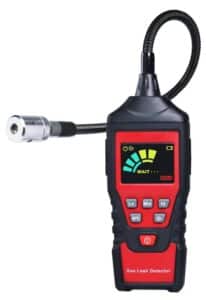 Another safer way to check for gas leak in home (leaky gas) is using electronic gas leak detector sensor (gas leak sensor) for household gas leak detection.
A gas leak sensor works by allowing gas to diffuse through a membrane and a set of electrode gas leak detector that slightly change current when the gas is chemically oxidised (or reduced).
In other words, when gas leak passes through the electrochemical gas leak detector sensor, it slightly changes the current of the electrodes, tripping the household gas leak detector sensor alarm.
A household gas leak detector sensor can be stationary or a handheld portable for household gas leak detection.
A gas leak detector sensor has an audio alarm, similar to a smoke detector.
4. Gas Leak Symptoms (Gas Leak Signs and Symptoms) Can Include Higher Gas Bills from Gas Leaks
In this case, your wallet is the gas leak detector sensor (gas leak sensor).
If you’ve been keeping track of your gas bills (utility pipes for LNG and frequency of cylinder deliveries for LPG), obvious spikes can be gas leak symptoms (gas leak signs and symptoms) and another household gas leak detection method.
Sometimes, gas leaks (leaky gas) may be so small and subtle that household gas leak detection isn’t possible, but the meter doesn’t lie, and gas leaks may show up as increased consumption.
Remember that they use units like cubic meters, cubic feet, kilograms, litres, or gallons and not their monetary value.
Volumetric and mass units are fixed, while prices per cubic metre may vary.
Remember that colder weather, additional gas appliances, or extra house guests can increase or fluctuate gas use without it being a household gas leak (leaky gas).

5. Gas Leak Visual Indicators (Mist or Cloud) for Leaky Gas
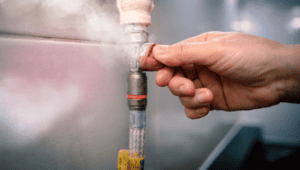
Your eyes are another form of gas leak detector sensor (gas leak sensor), observing a white mist or cloud around your LPG storage or gas appliance for gas leak symptoms (gas leak signs and symptoms) and household gas leak detection, it could indicate leaky gas (a gas leak) or pipe rupture.
Swirling dust or particles may also indicate a constantly moving gas from one direction, which is often the source of the gas leak in home (leaky gas).
In these situations, leave the area immediately and call for emergency services (000) from a safe location.
6. Changes in Flame Colour as Gas Leak Symptoms (Gas Leak Signs and Symptoms)
Here too, you are using your eyes as your gas leak detector sensor (gas leak sensor).
Changes in flame colour can be indicative of leaky gas (a gas leak in home) as another of your gas leak symptoms (gas leak signs and symptoms).
A well-maintained gas appliance should produce optimal gas flow and combustion, producing a blue flame.
If you notice red or yellow flame on your burners, it could often mean your appliances need cleaning, or that carbon monoxide is produced due to incomplete combustion.
Otherwise, you may have a gas leak in home (leaky gas).
Gas appliances should be cleaned as needed, once every two years or depending on the manufacturer’s recommendation.
7. Scorching or Soot as a Telltale Sign of a Gas Leak – Leaky Gas
Once again, your eyes are your gas leak detector sensor (gas leak sensor). Gas leak signs and symptoms may indicate leaky gas when turned on and is another household gas leak detection method to find a gas leak.
 For example, a burner connection that has a gas leak in home (leaky gas) may create a flame in an unintended place.
This is a serious issue as a fire hazard and ignition already exist.
As soon as you notice scorching or soot, stop using the appliance until it is serviced.
8. Pilot Lights That Go Out Can be a Gas Leak Detector Sensor
A pilot light can be gas leak symptoms (gas leak signs and symptoms) and a household gas leak detector sensor (gas leak sensor) for gas leak detection.
Pilot lights are small flames kept lit in a gas appliance.
They ignite the flowing gas to turn the appliance on and produce heat.
Whilst pilot lights are much rarer in modern gas appliances, they still exist.
Gas leaks (leaky gas) are one cause for a pilot light to keep going out.
An intermittent pilot light becomes a problem because if left unnoticed, leaky gas will keep flowing out of the burner without getting ignited, accumulating in your kitchen or space as a household gas leak (leaky gas).
If the pilot light suddenly lights back up, it may ignite the accumulated gas leak, which could combust and cause massive fires in the kitchen or household or even a gas leak explosion.
If you have that problem, it is time for a service call.
9. Dead or Dying Plants or Trees can be Gas Leak Symptoms – Leaky Gas
In this case, your dead and dying plants are gas leak symptoms (gas leak signs and symptoms), becoming your gas leak detector sensor (gas leak sensor).
Plants are very sensitive to atmospheric changes and suffer when exposed to gas leaks (gas smell in house), making their deterioration gas leak symptoms (gas leak signs and symptoms) of a gas leak in home (leaky gas) .
If an underground gas leak occurs, caused by corroding pipes or other deterioration, grass, plants or trees nearby may die from suffocation.
House plants can also be affected by leaky gas (a gas leak in home).
If there is no other obvious reason for the tree/plant problem and they are near or on top of a buried gas line, it is worth getting it checked with a gas leak detector sensor as another way to check for gas leak (leaky gas).
Gas leaks (leaky gas) may even affect indoor plants.
If you notice that only those ornamental plants near LPG cylinders and NG lines are wilting, it may be a sign to contact emergency services (000) to have them take a look.
10. Insects are Attracted to Gas Leaks – Leaky Gas – Live Gas Leak Detector Sensor
Some insects are attracted to gas leaks (leaky gas), particularly flies.
They are a living gas leak detector sensor (gas leak sensor).
If you notice a gas smell in house and insects swarming around your gas bottles, regulator or gas fittings, it could be gas leak symptoms (gas leak signs and symptoms) and an indication of leaky gas (a gas leak in home).
11. Feeling Unwell Due to Possible Carbon Monoxide Poisoning from a Gas Leak – Direct Gas Leak Symptoms (Gas Leak Signs and Symptoms)
Gas leak symptoms (gas leak signs and symptoms) include nausea, headaches, difficulty or irregular breathing, fatigue, chest pain, flu-like symptoms, dizziness or light-headedness, and drowsiness can all be signs of carbon monoxide (CO) poisoning or a gas leak in home (leaky gas).
However, using your well being as your gas leak detector sensor (gas leak sensor) to find a gas leak is not good.
Typically, properly functioning gas appliances are quite safe.
A blue flame is one indication of proper function and complete combustion.
A yellow or red flame can be problematic.
It doesn’t indicate a gas leak but it does indicate an incomplete combustion problem.
As discussed, malfunctioning units may cause incomplete combustion and produce carbon monoxide.
These are caused by clogged gas lines, rusted burner nozzles, an intermittent pilot light, or a gas appliance that needs thorough cleaning.
If you experience any signs of carbon monoxide poisoning while operating your indoor gas appliance, you should stop using it until it is serviced by your gas fitter.
Gas Leak Who to Call: Report Gas Leak – Household Gas Leak in Home – Who to Call for Gas Leak Inside House
If you have a household gas leak (leaky gas) in home (gas leak inside house), who do you call to report a gas leak (gas smell in house)?
There are three typical choices for gas leak who to call – report a gas leak (leaky gas):
- Call your gas fitter to repair a household gas leak in home, especially if it is a gas leak inside the house (gas smell in house.
- Call your gas supplier to report a gas leak in home. This is especially the case if the gas leak is outside near the gas bottles, gas fittings or gas meter.
- Call emergency services on 000 (or whatever the number is where you live) for assistance with gas leak detection. This is especially the case if it is a major gas leak that permeates your entire home or if you have no idea where it is coming from outside.
Final Thoughts on Gas Leaks – Leaky Gas – Gas Leak Detector – Report Gas Leak
Proper maintenance, use of all available gas leak detector sensor (gas leak sensor) assets, observing gas leak symptoms (gas leak signs and symptoms), safety procedures, and using appropriate gas leak in home gas leak detector sensor devices can help preserve your property and avoid gas leaks (leaky gas) and fire hazards.
If you notice any subtle signs of leaky gas (a gas leak in home), turn off the gas at the meter or the gas bottle.
Also, if it is safe to do so, leave windows and doors open and then evacuate the building.
Do not operate electrical switches or other ignition sources, including telephones.
As soon as you are in a safe location, call emergency services (000) to report gas leak (gas smell in house) and ask for assistance.
If there is a fire involved, just evacuate immediately and call for help as soon as possible.
Gas Leak FAQs
Gas leak symptoms
Gas leak symptoms (gas leak signs and symptoms) include nausea, headaches, difficulty or irregular breathing, fatigue, chest pain, flu-like symptoms, dizziness or light-headedness, and drowsiness can all be signs of carbon monoxide (CO) poisoning or a gas leak in home (leaky gas).
However, using your well being as your gas leak detector sensor (gas leak sensor) to find a gas leak is not good.
If you experience any signs of carbon monoxide poisoning while operating your indoor gas appliance, you should stop using it until it is serviced by your gas fitter.
How do you test for a gas leak? How to check for gas leak - How to test for gas leak - Check for gas leak
How do you test for a gas leak? How to check for gas leak – How to test for gas leak…
To test for a gas leak, first use your senses (smell for rotten eggs, listen for a hissing sound, look for white mist) and if you suspect a leak, avoid sparks and electrical devices, immediately ventilate, turn off gas if safe, and call a gas fitter.
To do DIY check for gas leak, use a soapy water solution on joints and watch for bubbles or use a dedicated gas detector. Never ignore the smell of gas or attempt major repairs yourself; the safest method is professional inspection.
Gas Leak Sensor
A gas leak sensor is a critical safety device that detects unsafe levels of flammable (like natural gas or LPG) or toxic gases (like carbon monoxide).
It alerts the user with audible and/or visual alarms to prevent explosions, fires, or asphyxiation in homes, caravans, industrial settings, and other confined spaces.
A gas leak sensor works using different technologies, including electronic sensors that measure gas concentration and ultrasonic sensors that detect the high-frequency noise from escaping gas, providing timely warnings for action.
Types of Sensors & Gases Detected:
- Natural Gas/Methane (CH4): Senses typical household gas.
- Propane/Butane (LPG): Detects LPG (bottled gas) in caravans, RVs, and around gas appliances.
- Carbon Monoxide (CO): Monitors for this poisonous, odorless, deadly gas, frequently combined with gas leak detectors.
- Ultrasonic Detectors: Detect the sound frequency of gas escaping at high pressure, perfect for large industrial areas.
How They Work:
- Electronic Sensors: Detect specific gas types, often changing LED colours (Green=Safe, Yellow=Low, Red=High) and sounding audio alarms.
- Ultrasonic Sensors: Pick up ultrasonic frequencies from escaping gas, unaffected by other sounds, signaling a leak by sound.
Other Sensor Features:
- Portability: Handheld sniffers for spot checks.
- Wireless Systems: For real-time data and flexibility in large or temporary worksites.
- Alarms: Audible (tones) and visual (flashing lights).
What to Do in a Leak:
- If you smell gas (rotten egg smell) or hear hissing, do not use electrical devices or anything with sparks or flame (including phones), ventilate if safe to do so, leave the area immediately and call emergency services (like 000).
New Residential LPG customer?
New Business LPG customer?
Existing ELGAS customer?

Eric Hahn has over a decade of experience in the LPG industry and has become a key figure in shaping how LPG is marketed and communicated. As the creator of one of the world’s first LPG blogs, Eric has authored over 200 technical posts, helping educate and inform the industry and consumers.
Eric has served on multiple committees for Gas Energy Australia and the World LPG Association (WLPGA), contributing to important discussions and advancements within the global LPG sector. He has presented at WLPGA Annual Conferences, sharing his expertise as a speaker, panellist, and panel chair.
- Winter on the Manning River: Beautiful but Brisk - July 6, 2026
- The Harsh Reality of June in the Snowy Mountains - July 6, 2026
- The True Cost of a Freezing Guest in the Snowy Mountains - July 6, 2026
Steve Reynolds
Technical Consultant
Steve Reynolds is a leading expert in the LPG industry with over 22 years of experience. As part of the national management team at ELGAS, Steve ensures the safe and efficient storage, handling, and transportation of LPG. He serves as the lead investigator for incidents and collaborates with authorities on industry developments.
Steve is a technical advisor to Standards Australia and Gas Energy Australia (GEA), and an active member of the World LPG Association (WLPGA), contributing to global standards and technical reviews. He holds a BSc. (Hons) in Industrial Chemistry from UNSW and has held senior safety and technical roles at ELGAS, making him a trusted authority in LPG safety and standards.