

Australian LPG Appliances Statistics (2025 Trends, Forecast & Usage)
Australian LPG Appliance Market: 2025 Key Findings
Australia’s reliance on LPG and LPG appliances is growing to relieve pressure on its overburdened electricity grids.
With the looming power shortfalls and potential major blackouts, switching from conventional LPG use to a renewable alternative is a game-changer for the country’s energy mix.
LPG’s importance is especially evident in regional and off-grid areas, where it remains a reliable and sustainable energy source.
This is the snapshot of the key trends and forecasts on the Australian LPG appliance market:
- Total Market Scope: Around 1 million LPG appliances are sold each year in Australia, which sustains a large installed base [1].
- Top Appliance Category: LPG cooktops, BBQs, and cookers are the most dominant residential appliances in the market, consistently covering a large share of new gas appliance sales [2][3].
- Off-Grid and Regional Penetration: In regional and off-grid homes, LPG is the primary energy source for hot water systems, cooking, and heating in over 2 million homes, representing almost 22% of all Australian homes that rely on LPG for indoor use [4].
- Commercial Growth: LPG adoption is increasing rapidly in the hospitality and commercial kitchen sectors, with a notable rise in installations of high-performance LPG water heaters, cookers, and dishwashers reported in 2024 compared to previous years [5].
- Future Outlook: The LPG appliance market is expected to grow in relation to outdoor living trends and in regions without access to the main gas pipes. The Australian LPG market is projected to expand at a 4% CAGR going to 2030, valued at USD 4.5 billion [6].
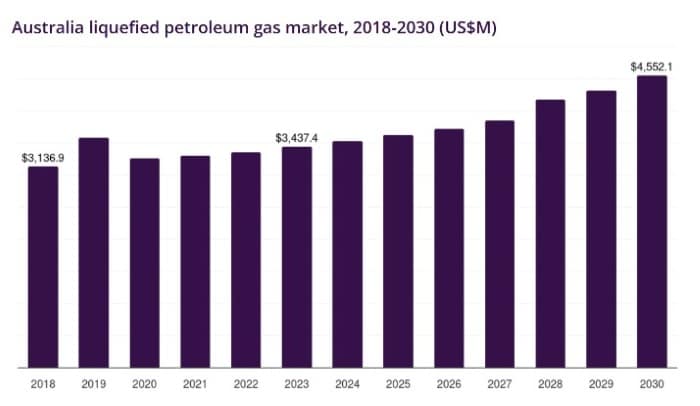
Source: [6]
The Australian LPG Appliance Market at a Glance
Nearly all major studies suggest that Australia’s residential gas consumption will substantially decline over the next decades if the country is to meet its emissions reduction targets.
This could be anticipated with LPG use, though consumer preference may indicate otherwise, given the slow pace of transition to electrification.
While the overall appliance-volume trend over the previous decade lacks fully public appliance-by-appliance data, useful indicators and market segments show consistent growth, especially in regional and off-grid areas where natural gas networks remain inaccessible.
Total Appliance Volume and Growth
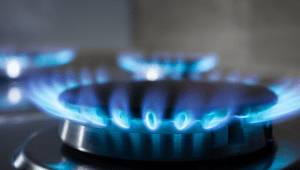
Recent reports suggest that there are over 18.1 million gas and LPG appliances currently in use across the country [7], which include cooktops, ovens, hot-water systems, and even barbecue grills.
There are roughly 2,026,000 homes in the country that remain reliant on LPG for indoor cooking, hot water, and heating [4].
Since 2021, data shows a steady increase compared to previous surveys, where it was only at around 1.77 million in 2014.
Outdoor cooking appliances like BBQs and built-in grills are gaining strong traction.
This market segment is expected to grow at a CAGR of 5.4% between 2025 and 2034 [3].
Key Market Drivers: What Fuels the LPG Market?
Several factors are linked to the growth of the LPG appliance market in Australia:
1. Culture and Lifestyle Preferences: Outdoor cooking is deeply ingrained in Aussies’ lifestyle.
A recent study reveals that around 97% of Australians own a barbecue grill at home, and among those, 40% own an LPG-powered one.
The preference for gas cooktops, instant-heat, and the sensory experience further strengthen LPG’s appeal to the people [3].
2. Outdoor Living Boom: The demand for outdoor kitchens in Australia is increasing.
This market segment is expected to double in revenue between 2021 and 2030 due to rising consumer demand [3].
Australian households are opting to install built-in BBQs, ovens, sinks, and even refrigerators outdoors, thereby integrating cooking fixtures into their outdoor entertaining spaces [3] [8].
3. Reliability in Regional and Off-Grid Areas: Many regional households lack access to natural gas mains or a reliable electricity source, making LPG their primary energy source [4].
National data indicates that more than 2 million homes use LPG indoors for cooking, hot water or heating.
In areas far from the natural gas grid, LPG becomes one of the few reliable means to get clean heat and cooking without the need for full electrification.
4. New Housing Developments Outside Gas Network Reach: Many growing housing developments are geographically distant from the main gas network infrastructure, making connections difficult.
Developers and homeowners are choosing LPG appliances for new homes as installing LPG appliances and the bottles is more cost-efficient than extending or connecting to natural gas pipelines [9].
How Australian Homes Use LPG Appliances
LPG remains one of the go-to household fuels in Australia.
It is used for cooking, hot water, heating, and is increasingly being used for outdoor living as well.
Here is a breakdown of the residential appliance market by category, showing the usage patterns that matter to manufacturers and retailers, including growth signals for 2025.
Cooking Appliances (Cooktops, Ovens)
Gas cooktops, primarily LPG-fueled types, continue to dominate the Australian market in terms of cooking appliances.
LPG cooktops are expected to hold a huge slice of the cooktop market revenue share in 2024, with the country’s cooktop market anticipated to grow to USD 5.29 billion by 2030 (from 3.19 billion in 2024).
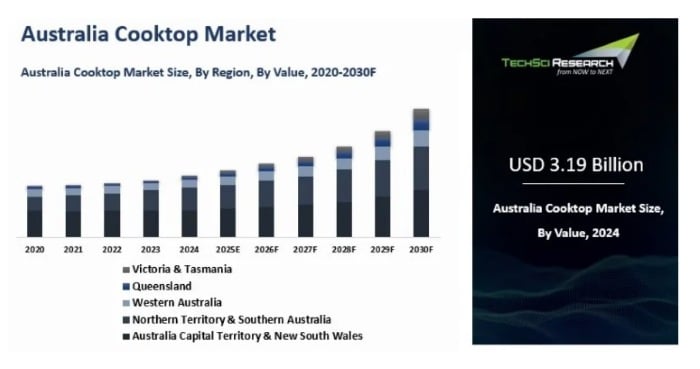
Source: [2]
This reflects the strong consumer preference for cooking tops with flame control and instant heat [2][9].
With principal motivators, such as flame control capability and perceived cooking performance, consumers choose gas over other fuel sources.
Gas also remains the default selection in many installations, especially in regions and demographics that prioritise traditional cooking performance.
Hot Water Systems
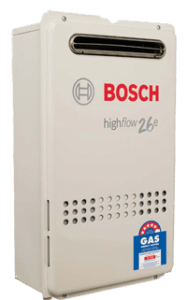 The change towards continuous-flow gas hot water systems has sped up as homes begin to replace their ageing tanks.
Continuous-flow units heat water on demand, removing storage losses, and normally achieve higher energy-rating stars than older storage models.
Australian appliance guidance reveals that continuous-flow gas units typically achieve 6 to 7 star equivalence on hot-water energy ratings.
Compared to typical storage units with lower ratings, this represents a significant efficiency gain for households that use large amounts of hot water [9].
The role of LPG in this segment is significant, especially in areas without access to mains natural gas.
Residential areas that are far from main connections tend to adopt LPG water heaters because they are compact, efficient, and avoid the energy losses typically linked with tanks.
Home Heating
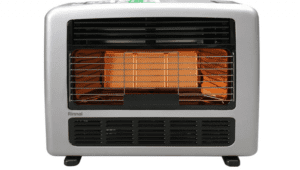 LPG is also used for heating homes.
Both portable and flued LPG heaters retain an essential niche, particularly in Southern States where winter heating demand is greater, and some homes lack connections to mains gas [5][7].
Portable LPG heaters are popular for spot heating in holiday homes or rural properties, while flued units provide whole-room heating when needed.
Outdoor Living (BBQs, Outdoor Heaters, Pizza Ovens)
 Among all other categories, outdoor living is the sector with the most significant growth in LPG appliances.
Nearly two-thirds of Australian households own a barbecue grill, and a considerable number of which utilise LPG-fueled units, making BBQ the ever-present LPG appliance in Aussies’ way of life [3].
Several industry reports forecast a projected 5% CAGR for BBQs, patio heaters, and other related outdoor appliances through the late 2020s as homeowners begin to invest in outdoor kitchens and lifestyle changes.
The Engine Room of Business: Commercial LPG Appliances
While the residential market typically gets the most attention, the commercial and industrial segments of Australia are the true “engine room” of LPG appliance demand.
From the hospitality industry to agriculture and mobile businesses, LPG offers flexibility, portability, and performance where electricity or natural gas are insufficient or inaccessible.
Hospitality Sector (Restaurants, Cafes, Hotels)

This sector is the largest commercial consumer of Australia’s LPG appliances.
With restaurants, cafes, and hotels conducting high-performance cooking, water heating, and space heating, they show heavy dependence on LPG [7].
Gas cookers remain the industry standard in professional kitchens, offering features such as flame control, high-heat output, and speed, which give chefs a competitive advantage over electric alternatives [5].
An industry survey estimates that approximately 70% of the country’s commercial kitchens use LPG or natural gas appliances for cooking, with LPG dominating both regional and off-grid areas.
LPG-fired continuous-flow water heaters are also widely installed in commercial kitchens and hotels, where reliable hot water on a large scale is crucial [5].
As this sector begins to recover from the pandemic, LPG appliance installations have increased by 4-5% per year, particularly in restaurants that are upgrading to high-output kitchen appliances [8].
Other Key Industries
Agriculture
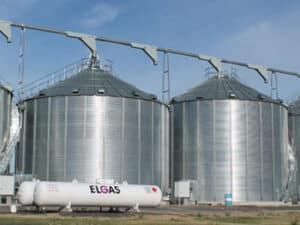
LPG is also essential in the agriculture sector, where it is mainly used for powering crop dryers, heating systems for greenhouses, and water heating for dairies.
LPG crop dryers are crucial for grain growers, as they ensure consistent drying in all weather conditions, thereby improving yield quality and export readiness [12].
Regional case studies state that LPG-powered dryers reduce spoilage tendencies and offer lower emissions compared with diesel-fueled alternatives.
On the other hand, in horticulture, LPG heaters maintain temperature and humidity in glasshouses, which helps in supporting year-round production.
With LPG’s cleaner burn, it reduces the likelihood of contamination risk in sensitive environments.
Manufacturing and Industrial Heating
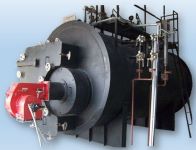 LPG fuels many manufacturing processes, such as boilers (see image), furnaces, kilns, and direct flame applications, where high-temperature, consistent heating is needed [12].
LPG’s high calorific value and ability to provide precise heat make it a preferred choice for manufacturers that require flexibility and lower-carbon credentials compared to fuel oil.
Mobile Businesses and Events
 One of LPG’s most desirable features is its portability. It’s indispensable for mobile businesses and events, ranging from mobile food vendors and event caterers to food trucks and pop-up kitchens [5].
As such, event organisers tend to deploy LPG appliances for temporary heating, cooking, and hot water infrastructure at events, such as festivals, construction camps, and emergency relief sites.
Projections and Innovations Shaping the LPG Appliances to 2030
Australia’s LPG appliance market is expected to see steady growth through 2030, driven by consumer demand for performance, reliability, and flexibility.
While the country transitions away from fossil fuels, LPG appliances will continue to be a core driver in supporting renewable fuel types and technology upgrades, maintaining a strong foothold across all sectors.
Projected Growth by Appliance Category
Among the different categories of LPG appliances, the fastest-growing segment is expected to be the outdoor living appliances, specifically LPG-powered BBQs, outdoor heaters, and pizza ovens.
With roughly 70% of Australian homes already owning an LPG BBQ, the market is continuing to expand towards integrated outdoor kitchens and premium appliances, aligning with lifestyle and housing trends [2][3].
Outdoor heating is also expected to grow due to businesses such as cafes, bars, and the hospitality sector, which cater to year-round outdoor dining.
Moreover, in the residential segment, high-efficiency continuous flow LPG hot water systems are expected to gain traction in both regional and off-grid areas, where reliable hot water could be provided at lower running costs compared to electric storage units.
Portable and flued LPG heaters will continue to experience moderate demand, particularly in southern states where seasonal heating is crucial.
On the commercial side, the hospitality sector will continue to drive demand for high-output cookers, wok burners, and water heaters.
While both agriculture and manufacturing will continue to utilise LPG appliances for processes where performance and portability outweigh competitive alternatives [11].
The Role of Technology and Efficiency
Innovation in LPG appliances shapes its market’s future.
Energy efficiency improvements mark the starting line for this.
Recently, next-generation LPG water heaters have achieved 6- to 7-star ratings under Australia’s energy efficiency labels, highlighting their innovative energy efficiency and resulting in reduced operating costs [9].
Smart features are also being integrated into most appliances, with Wi-Fi-enabled controls, energy consumption monitoring applications, and load management systems becoming readily available for LPG appliances.
These innovations help homes and businesses optimise energy use, track consumption, and align with sustainability targets.
On the other side, new high-efficiency burners and modular kitchen designs are enabling restaurants and food trucks to operate more sustainably, while agricultural LPG dryers are being engineered for lower emissions and reduced fuel consumption.
The BioLPG Opportunity
 The emergence of BioLPG or renewable LPG is dubbed the most exciting development for the industry.
This renewable fuel source is made from waste and renewable feedstocks, expected to replace all conventional LPG use by 2045.
While BioLPG is made from a renewable fuel source, it remains chemically identical to conventional LPG, making it a viable substitute for appliances without the need for any modifications.
By 2030, BioLPG could represent a meaningful share of supply, offering consumers and businesses a green alternative that maintains the portability, performance, and reliability of traditional LPG.
Methodology, Sources, and Fair Use
This report was made using recent and reputable Australian and global sources to provide an accurate, evidence-based view of LPG appliances and their consumers in Australia.
Below are the resources used in creating this report:
[1] SwitchedOn – A million gas appliances still sold every year, locking in $1.2 billion in lifetime energy costs for Australian households
[3] Market Research – Australia Barbeque Grill Forecast
[4] Gas Energy Australia – Renewable gas is the answer to power Australia’s energy future
[5] Food Technology and Manufacturing – Why do commercial kitchens & chefs choose LPG gas?
[6] Grandview Research – Australia Liquefied Petroleum Gas Market Size & Outlook
[7] The Getting Off Gas Toolkit – How we use gas
[8] Mordor Intelligence – Australia Home Appliances Market Size & Share Analysis – Growth Trends and Forecast (2025 – 2030)
[9] Energy Rating Australia – Water Heating
[10] Canstar Blue – What is LPG
[11] Energy Consumers Australia – How households use gas and their attitudes towards electrification
[12] Frontier Economics – Pathway to Zero Emissions for LPG Energy Networks National Forum
[13] Appliance Retailer – BeefEater study reveals men dominate the BBQ but women do more work

Eric Hahn has over a decade of experience in the LPG industry and has become a key figure in shaping how LPG is marketed and communicated. As the creator of one of the world’s first LPG blogs, Eric has authored over 200 technical posts, helping educate and inform the industry and consumers.
Eric has served on multiple committees for Gas Energy Australia and the World LPG Association (WLPGA), contributing to important discussions and advancements within the global LPG sector. He has presented at WLPGA Annual Conferences, sharing his expertise as a speaker, panellist, and panel chair.
- Winter on the Manning River: Beautiful but Brisk - July 6, 2026
- The Harsh Reality of June in the Snowy Mountains - July 6, 2026
- The True Cost of a Freezing Guest in the Snowy Mountains - July 6, 2026
Steve Reynolds
Technical Consultant
Steve Reynolds is a leading expert in the LPG industry with over 22 years of experience. As part of the national management team at ELGAS, Steve ensures the safe and efficient storage, handling, and transportation of LPG. He serves as the lead investigator for incidents and collaborates with authorities on industry developments.
Steve is a technical advisor to Standards Australia and Gas Energy Australia (GEA), and an active member of the World LPG Association (WLPGA), contributing to global standards and technical reviews. He holds a BSc. (Hons) in Industrial Chemistry from UNSW and has held senior safety and technical roles at ELGAS, making him a trusted authority in LPG safety and standards.